
Ordering printed hoodies and sweatshirts for a business, a team, or a personal brand comes with one big question: which printing method actually holds up wash after wash? For thousands of shops and small businesses across the country, the answer has become custom DTF prints for hoodies and sweatshirts USA printers, because the process delivers sharp color, soft texture, and a finish that survives daily wear.
This guide breaks down how DTF printing works, why it fits hoodies and sweatshirts so well, and what to check before placing a bulk order. Every section below is written as a question, so you can jump straight to the part you need.
What Are DTF Transfers and Why Do They Matter for Hoodies and Sweatshirts?
DTF stands for direct-to-film. A design is printed onto a special film using water-based ink, coated with an adhesive powder, then heat-pressed onto the garment. The result is a transfer that bonds directly with the fabric fibers instead of sitting as a thick layer on top.
For thick fabrics like hoodie fleece and sweatshirt cotton blends, this matters. DTF transfers flex with the material instead of cracking, which is a common complaint with older vinyl and screen print methods on heavier garments.
Why Choose Custom DTF Prints for Hoodies and Sweatshirts USA Brands Rely On?
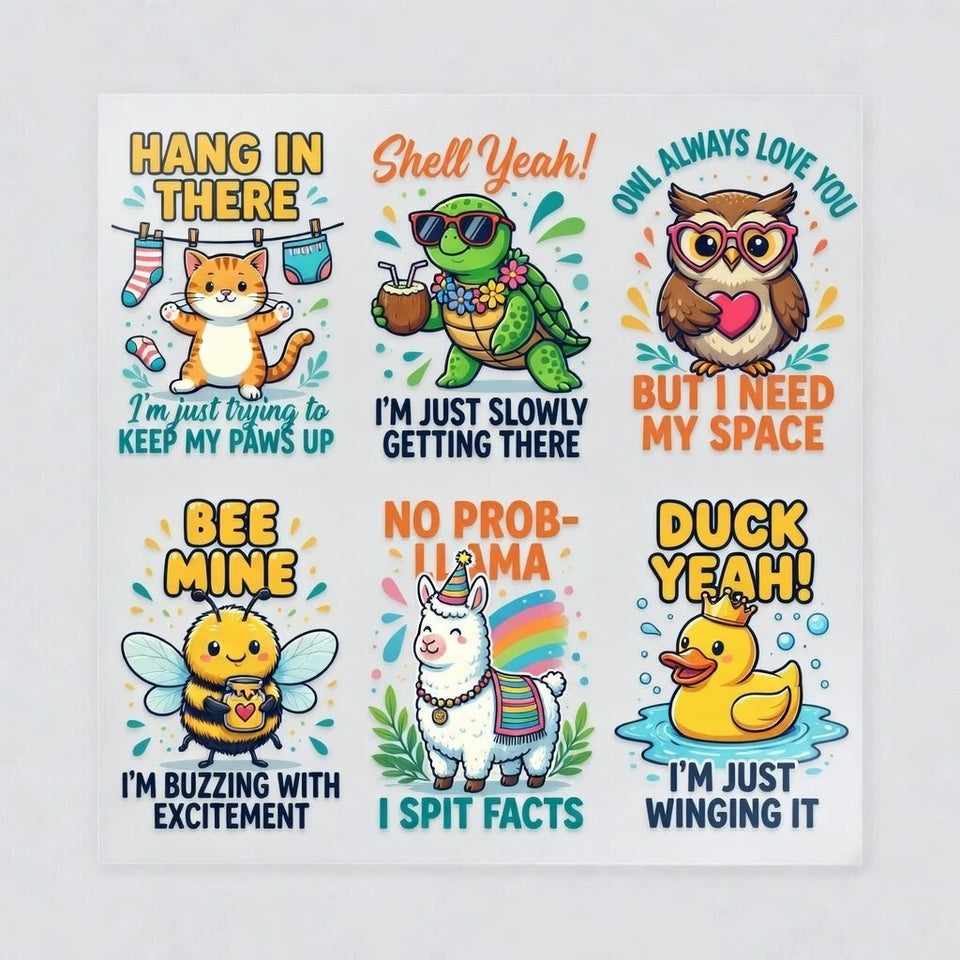
Buyers across the United States are moving toward DTF prints for hoodies and sweatshirts suppliers because the technology solves three problems at once: color accuracy, durability, and speed. A single film can hold multiple designs at once, known as a gang sheet, which lowers the cost per print for small businesses and larger decorators alike.
Small print shops also like that DTF does not require screens, stencils, or color separations. A design goes from digital file to finished sheet in a matter of hours, not days.
How Does the DTF Printing Process Work From Design to Finished Garment?
The process follows a straightforward sequence:
The artwork is printed in reverse onto a PET film using white and CMYK ink.
Adhesive powder is applied while the ink is still wet, then cured under heat.
The film is pressed onto the hoodie or sweatshirt using a heat press, typically at 300–325°F.
The film backing is peeled away, leaving the design bonded to the fabric.
This method works on cotton, polyester, and blended fleece without needing a different process for each fabric type, which is one reason it has become popular for mixed apparel orders.
What Makes DTF Transfers Better Than Screen Printing or Vinyl for Bulk Orders?
Screen printing needs a new screen for every color and every design, which adds setup cost for small orders. Vinyl cutting works for simple shapes but struggles with photo-quality artwork or gradients.
DTF removes both limitations. One print run can include full-color photographs, gradients, and small text without added setup fees. For a business ordering fifty hoodies with fifty different names or numbers, DTF is often the only practical option.
Print shops handling dtf transfers ready to press orders in bulk from a single supplier also save on shipping and turnaround time compared to managing multiple vendors for different print types.
How Do You Order Custom DTF Prints for Hoodies and Sweatshirts in the USA?
Ordering is simpler than most first-time buyers expect. The general steps are:
Upload your artwork or use a gang sheet builder to arrange multiple designs.
Select the sheet size based on how many prints you need per garment.
Choose a turnaround option, since most suppliers offer standard and rush processing.
Receive the finished transfers ready to press onto your hoodies or sweatshirts at home or in your shop.
Businesses ordering custom DTF prints for hoodies and sweatshirts USA wide should confirm the supplier prints domestically, since overseas shipping often adds one to three weeks to delivery.
What Fabrics and Garments Work Best With DTF Transfers?
DTF adheres well to a wide range of materials, which is part of why it has replaced older methods for many shops. Fabrics that typically work best include:
100% cotton hoodies and sweatshirts
Cotton-polyester blends
Fleece-lined pullovers
Polyester athletic wear
Dark and light colored garments alike, since the white ink layer holds true color on both
Unlike sublimation printing, DTF does not require a polyester-heavy fabric to show accurate color, which makes it a better match for typical hoodie and sweatshirt blends found in the USA apparel market.
Where Can Print Shops Find DTF Transfers Ready to Press in Bulk?
Print shops and apparel brands searching for dtf transfers ready to press usually look for a supplier that offers gang sheet builders, size-based ordering, and consistent wholesale pricing. A supplier based in the United States, such as a Connecticut print house serving decorators nationwide, typically means shorter shipping windows and fewer customs delays than overseas film printers.
Bulk buyers should also ask whether the supplier can pair transfers with blank hoodies, sweatshirts, and t-shirts, since ordering both from one source cuts down on coordination between vendors.
How Much Do Custom DTF Prints for Hoodies and Sweatshirts USA Cost?
Pricing depends on sheet size, order volume, and turnaround speed. Smaller test sheets often start around three dollars, while larger gang sheets used for full production runs bring the per-unit cost down significantly.
Buyers looking for DTF prints for hoodies and sweatshirts wide should compare pricing per square inch rather than per sheet, since sheet dimensions vary between suppliers and can make a "cheaper" price misleading.
What Should You Look for When Choosing a DTF Transfer Supplier?
Not every supplier delivers the same quality. Before placing a bulk order, check for:
Color accuracy on sample prints before committing to a full run
Wash durability testing, since a good transfer should survive at least 50 wash cycles
US-based production, which shortens delivery time and simplifies returns
Gang sheet tools that let you combine multiple designs to reduce cost
Customer support that responds quickly if a design needs adjustment
A supplier that answers these points directly, without vague marketing language, is usually more reliable for repeat orders.
Why Rankin Textile Is a Trusted Source for Custom DTF Prints for Hoodies and Sweatshirts USA Wide
Rankin Textile, based in Danbury, Connecticut, prints DTF gang sheets for apparel decorators, print shops, and bulk garment brands across the country. The company offers a gang sheet builder for combining multiple designs, size-based ordering for simpler runs, and wholesale pricing that scales with order volume.
Shops pairing transfers with blank hoodies and sweatshirts from the same supplier get a full apparel solution without managing separate vendors, which is one reason decorators searching for custom DTF prints for hoodies and sweatshirts USA wide keep coming back to a single trusted print partner.
Frequently Asked Questions
1. What is the minimum order for custom DTF transfers in the USA?
Most US-based suppliers, including small print shops, allow single sheet orders starting around three dollars, with no large minimum required for first-time buyers.
2. How long do DTF prints last on hoodies and sweatshirts?
A properly pressed DTF transfer typically survives 50 or more wash cycles without cracking or fading when washed on a normal cold cycle.
3. Can I order DTF transfers ready to press without owning a heat press?
Yes, many print shops in cities across the USA offer press-on-site services for customers who order transfers but don't own equipment.
4. Do DTF transfers work on dark colored sweatshirts?
Yes, DTF uses a white ink base layer, so colors stay accurate on both dark and light hoodies and sweatshirts.
5. What temperature is used to press DTF transfers onto hoodies?
Most DTF transfers press at 300 to 325 degrees Fahrenheit for 10 to 15 seconds, though settings vary slightly by supplier.
6. Are DTF prints cheaper than screen printing for small batches in the USA?
For small batches, yes. DTF avoids screen setup fees, making it more affordable for orders under 25 pieces per design.
7. Where can I find DTF gang sheet printing near me in the USA? Several regional suppliers, including shops in Connecticut and New York, ship DTF gang sheets nationwide with standard and rush turnaround options.
8. Can I mix multiple designs on one DTF gang sheet order?
Yes, gang sheet builders let customers arrange several designs on a single film to lower the cost per print.
9. Do DTF transfers work on polyester athletic hoodies?
Yes, DTF works on polyester, cotton, and blended fabrics without needing a different process for each material type.
10. How do I choose a reliable DTF transfer supplier in the United States?
Look for US-based production, sample testing, gang sheet tools, and clear wash durability information before placing a bulk order.

Write a comment ...