
Starting or scaling an apparel business comes with one big question: how do you keep print quality high while keeping your per-unit cost low? For thousands of small print shops, side hustlers, and growing apparel brands across the country, the answer has become wholesale DTF transfers USA suppliers who can print in bulk without cutting corners on color, durability, or turnaround time.
Direct-to-film printing has changed how independent brands compete with big-box decorators. You no longer need a screen printing press, a DTG machine, or a warehouse full of equipment to sell shirts that look professionally made. You just need the right transfers and a heat press.
This guide breaks down what DTF transfers are, why print shops across the USA are switching to them, and what to check before placing your next bulk order.
What Are DTF Transfers and Why Do Print Shops Use Them?
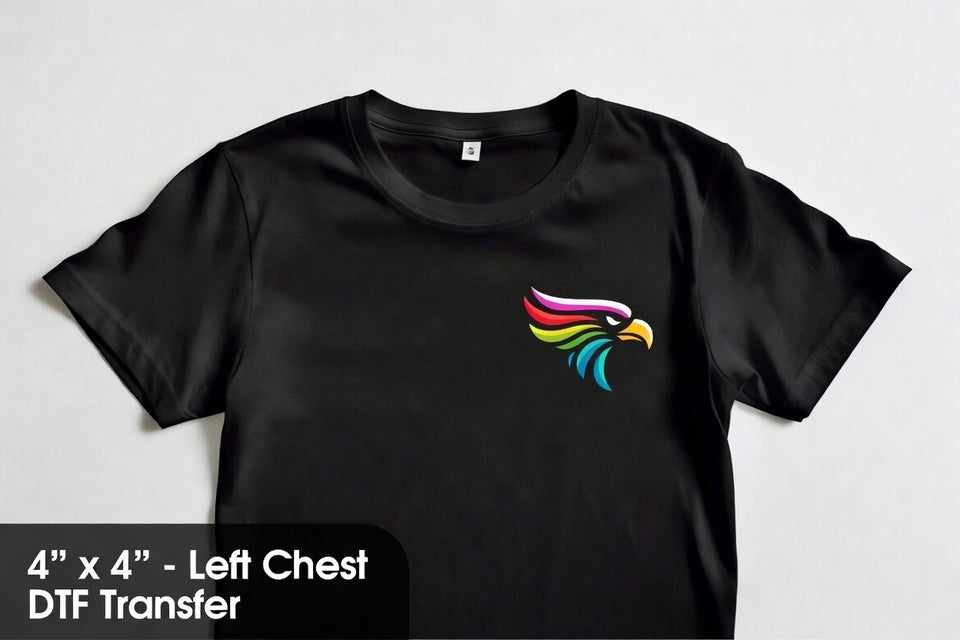
DTF, short for direct-to-film, is a printing method where a design is printed onto a special film, coated with adhesive powder, and cured. The finished sheet is then pressed onto a garment with heat, transferring the full-color design directly onto the fabric.
Print shops like this method because it works on almost any fabric type. Cotton, polyester, blends, nylon, and even some synthetic athletic wear can all hold a DTF print without cracking or peeling early.
The prints also hold detail well. Gradients, small text, and multi-color logos come out sharp, which is something screen printing struggles with unless you pay for extra color separations.
Why Are Businesses Switching to Bulk DTF Ordering?
Buying in bulk changes the math for any apparel business. A single custom transfer can cost several dollars, but when you order gang sheets from a bulk DTF supplier, that price per sheet drops fast.
This matters most for shops running seasonal drops, sports teams ordering jerseys, schools printing spirit wear, or small brands filling large online orders. Lower per-unit pricing means better margins without raising retail prices.
Bulk ordering also cuts down on reorder delays. Instead of placing a new order every time you sell out of a design, you stock enough transfers to cover weeks or months of sales.
How Does a Ready-to-Press DTF Transfer Work?
One reason DTF has become so popular with small business owners is simplicity. dtf transfers ready to press arrive fully finished. There is no mixing ink, no screen burning, and no software calibration required.
You place the transfer film ink-side down on the garment, apply heat and pressure with a standard heat press, peel the film once it cools, and the design is done. Most transfers press in under 15 seconds.
This makes DTF a practical option for home-based sellers, pop-up shop vendors, and small teams who do not have space for large printing equipment but still want retail-quality results.
What Should You Look for When Buying DTF Transfers in Bulk?
Not every supplier delivers the same quality, so a few details are worth checking before you commit to a large order.
Color accuracy across multiple print runs, so your restocked designs match your original batch.
Wash durability, since cheap transfers can crack or fade after a handful of washes.
Fabric compatibility, especially if you print on both cotton and polyester blends.
Turnaround time, which matters most when you are filling time-sensitive orders.
Bulk pricing tiers that actually reward larger orders instead of offering flat pricing regardless of quantity.
A supplier that can answer these questions clearly, without vague marketing language, is usually a safer long-term partner.
How Does a DTF Gang Sheet Builder Save You Money?
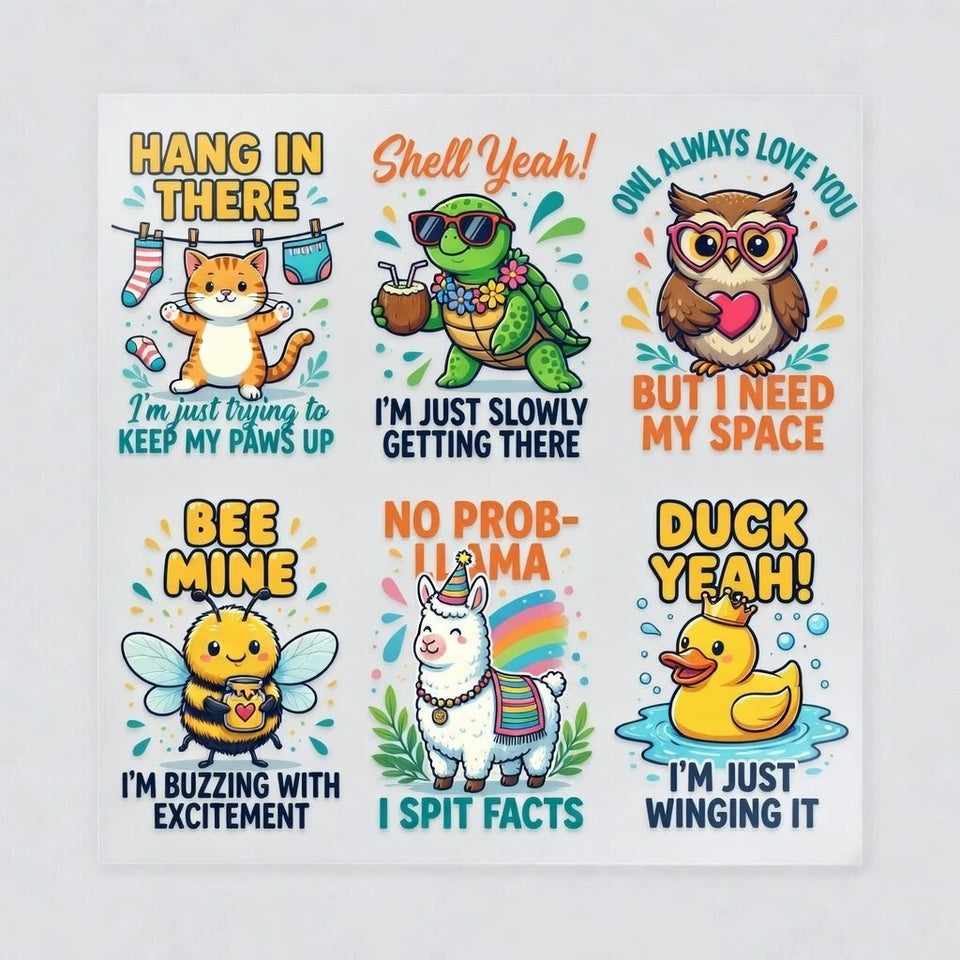
A gang sheet is one large film sheet with multiple designs printed together, arranged to use as much of the space as possible. Instead of ordering ten separate small transfers, you combine them onto a single sheet.
This layout method reduces wasted film and lowers your overall cost per design. Many suppliers, including Rankin Textile's DTF gang sheet builder, let you upload your own artwork and arrange it before checkout, so you control exactly what goes on each sheet.
For print shops running multiple SKUs at once, a gang sheet builder turns bulk ordering into a simple drag-and-drop process rather than a series of separate transactions.
Which Fabrics Work Best With DTF Transfers?
DTF adheres well to a wide range of materials, which is part of why so many apparel brands rely on it.
Cotton and cotton-blend t-shirts take the print cleanly and hold up through repeated washing. Polyester and performance fabrics, often tricky for other printing methods, also accept DTF transfers without the dye migration issues you sometimes see with sublimation.
If you are decorating hoodies, tanks, or long sleeve shirts alongside standard t-shirts, DTF gives you one consistent printing process instead of switching techniques for each product type.
How Do DTF Transfers Compare to DTG and Screen Printing?
Screen printing still makes sense for very large single-design runs, since the per-unit cost drops significantly at high volume. But it requires separate screens for each color, which adds setup time and cost for detailed or multi-color art.
Direct-to-garment (DTG) printing works well for one-off, full-color designs, but it prints slower and is more sensitive to fabric type.
DTF sits in between. It handles small and mid-size runs efficiently, supports full-color and gradient designs, and works across more fabric types than DTG or screen printing alone. That flexibility is a major reason bulk buyers keep coming back to it.
Where Can You Find Reliable Wholesale DTF Transfer Suppliers in the USA?
Location matters more than people expect. A supplier based overseas or on the opposite coast can add weeks to your delivery time, which is a problem if you are filling live orders.
Working with a domestic supplier for wholesale DTF transfers USA buyers can typically expect faster shipping, easier communication during business hours, and fewer customs-related delays. Rankin Textile, based in Danbury, Connecticut, prints and ships gang sheets and transfers by size directly to shops across the country.
Pairing your transfer order with blank apparel from the same supplier can also simplify your supply chain, since you are managing one vendor relationship instead of several.
What Mistakes Should You Avoid When Ordering DTF Transfers in Bulk?
A few common mistakes tend to trip up first-time bulk buyers.
Ordering without a proof, which risks color mismatches across a large batch.
Skipping a small test order before committing to hundreds of units.
Ignoring press settings, since temperature and pressure vary by transfer type.
Choosing the cheapest supplier without checking wash-test results.
Underestimating shipping times during peak seasons like back-to-school or holidays.
Avoiding these issues usually comes down to ordering a sample batch first and asking your supplier direct questions about their production process.
Final Thoughts
Bulk buying wholesale DTF transfers USA shops rely on is one of the most practical ways to lower costs while keeping print quality consistent. Whether you are outfitting a youth hockey team, filling online orders for a growing streetwear brand, or printing spirit wear for a local school, the right supplier and the right process make bulk ordering straightforward rather than stressful.
If you are ready to place your first order, resources like the DTF Printing Academy and the guide on DTF vs. DTG printing can help you decide which approach fits your business before you commit to a large purchase.
Frequently Asked Questions
1. Where can I buy wholesale DTF transfers in the USA at a fair bulk price?
Most domestic suppliers offer tiered bulk pricing, meaning the more sheets or designs you order, the lower your cost per unit becomes. Comparing a few USA-based suppliers before committing to a large order is a good first step.
2. How much do custom DTF transfers cost for a small business in California?
Pricing typically starts around a few dollars per small transfer and drops with volume. Small businesses in California and other states often see the biggest savings once they move from single orders to gang sheets.
3. Are DTF transfers a good option for a home-based print shop in Texas?
Yes. DTF requires only a heat press and a flat surface, making it practical for home-based sellers in Texas and elsewhere who do not have room for screen printing equipment.
4. Do DTF transfer suppliers in Connecticut ship nationwide?
Many suppliers based in states like Connecticut, including Rankin Textile in Danbury, ship transfers and gang sheets to customers across the entire country.
5. What is the fastest turnaround time for bulk DTF transfer orders in the USA?
Turnaround varies by supplier and order size, but domestic USA-based printers generally offer faster processing than overseas suppliers, often within a few business days for standard orders.
6. Can I order ready-to-press DTF transfers for a youth sports team in New York?
Yes. Teams, leagues, and school programs across New York and other states regularly order pre-pressed, ready-to-apply DTF transfers for jerseys, practice gear, and fan apparel.
7. What is the minimum order quantity for wholesale DTF transfers in the USA?
Minimums vary by supplier. Some allow single small-sheet orders to start, while others offer discounted pricing once you commit to a set number of gang sheets or transfer sizes.
8. Do DTF transfers work on both cotton and polyester apparel sold across the USA?
Yes. DTF is one of the few printing methods that performs consistently on cotton, polyester, and blended fabrics, which is why it is common across regions and climates in the USA.
9. How long do wholesale DTF transfers last after washing?
Well-produced DTF transfers typically hold up through 40 to 50 wash cycles or more, depending on fabric type, press settings, and aftercare instructions.
10. Is it cheaper to buy a DTF gang sheet builder order or individual transfers for a Florida-based shop?
Gang sheets are almost always more cost-effective for shops in Florida or any state placing multiple designs at once, since they reduce wasted film space and lower the price per design.

Write a comment ...